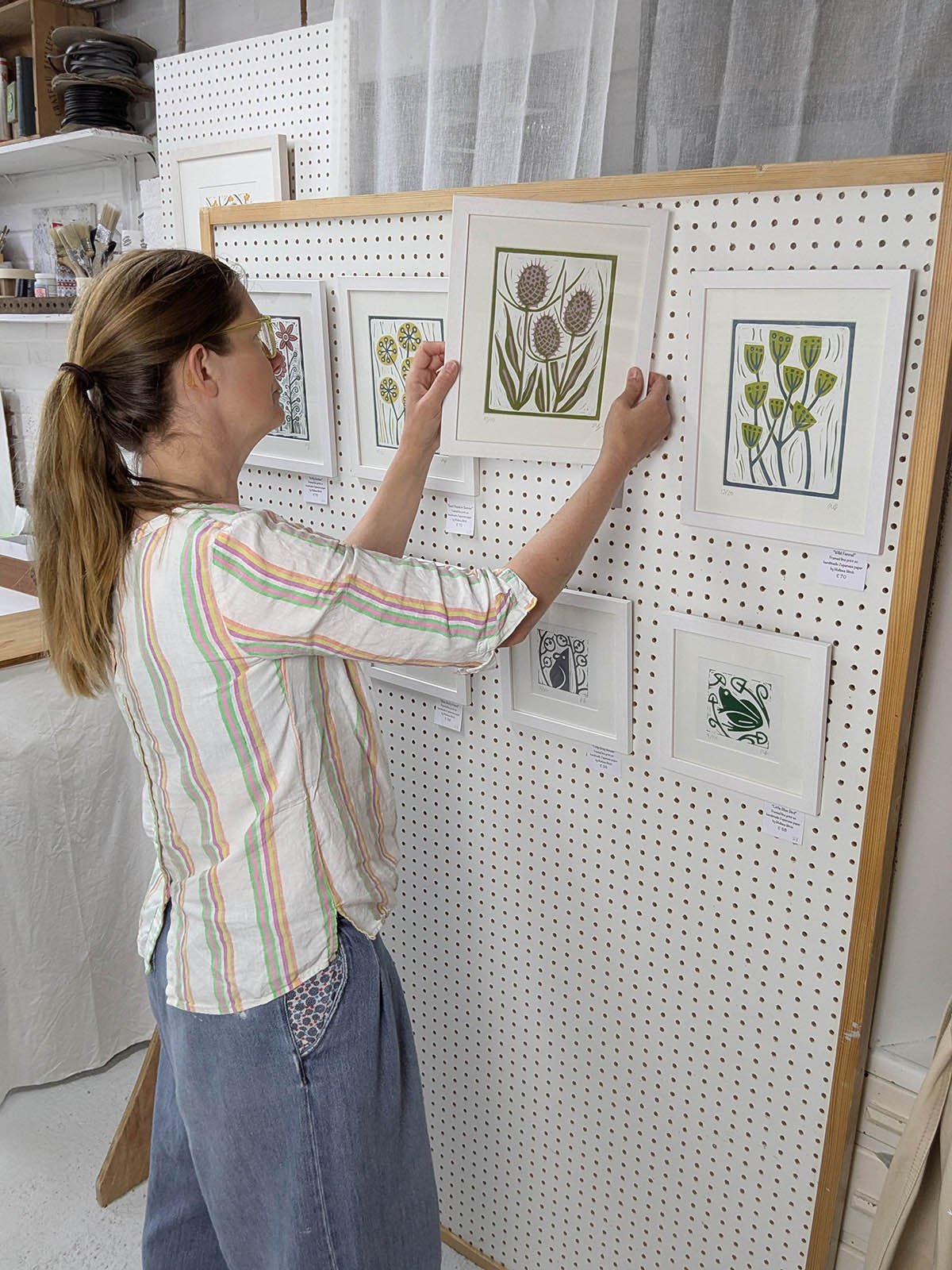
I am often uncomfortably aware that many people have no idea of how an artist actually makes a living. Leaving aside the bizarre things we do with paintbrushes and rollers all day, the actual business of somehow selling this stuff is even further beyond comprehension. I’ll admit, it’s not an easy subject to pin down and unfold, but I would like to try my best to throw some light at this by drawing on experience.
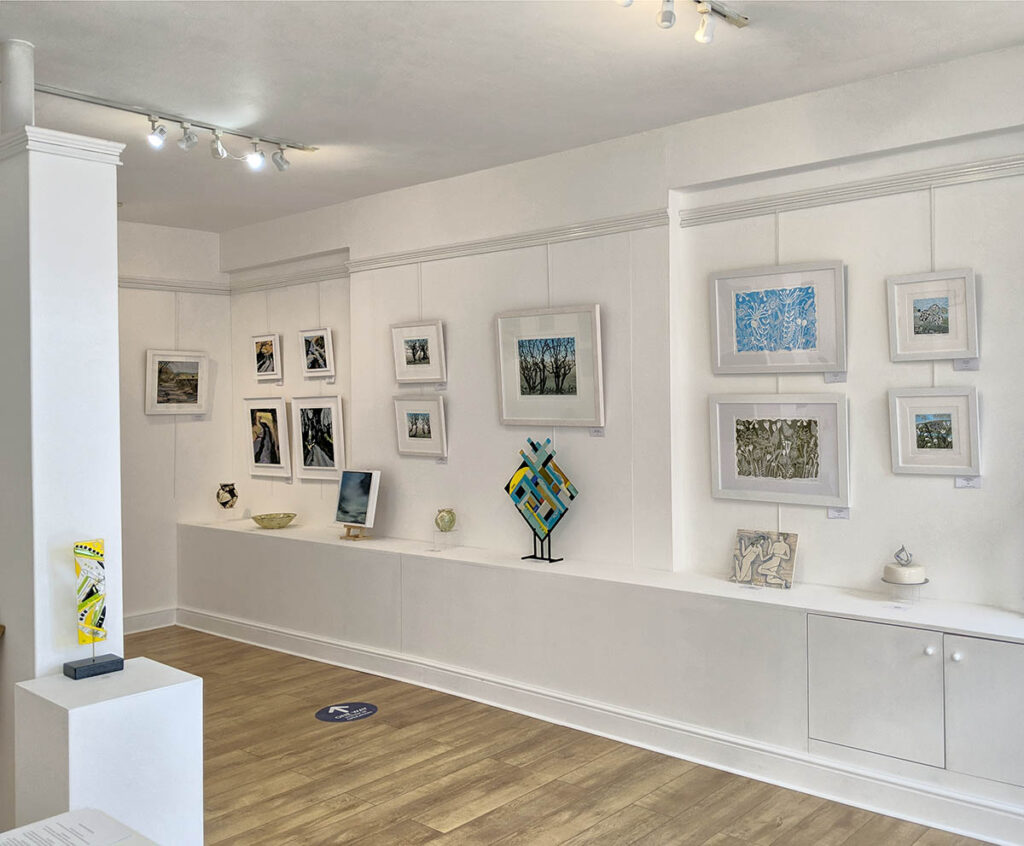
I’ve belonged to galleries and sold other artists’ work, I sell my own work online, via exhibitions and at art fairs, so selling artwork seems a fairly ordinary practice to me (which doesn’t mean that I don’t still do the “happy dance” when making a sale by the way). Popular media however seems to enjoy perpetuating the myth that artists are impoverished, starving and never able to sell their work. The legend that Van Gogh left us certainly has a lot to answer for. It sadly leads to an idea, in too many people’s minds, that art is some esoteric thing that noone actually buys.
Given this misleading starting point, it’s no surprise that the business of art, how it is valued and sold, continues to beguil. Visitors to galleries are mystified by the varying price labels, afraid to ask, unsure of the terminology, such as the difference between a print and an original (more on that another time). In this blog I hope to demystify the business of art, and in particular to look at some of the elements which make up the pricing of a piece of artwork. I hope that doing so will help a few more potential buyers to feel more confident about wading in and experiencing the joy of buying and owning beautiful works.
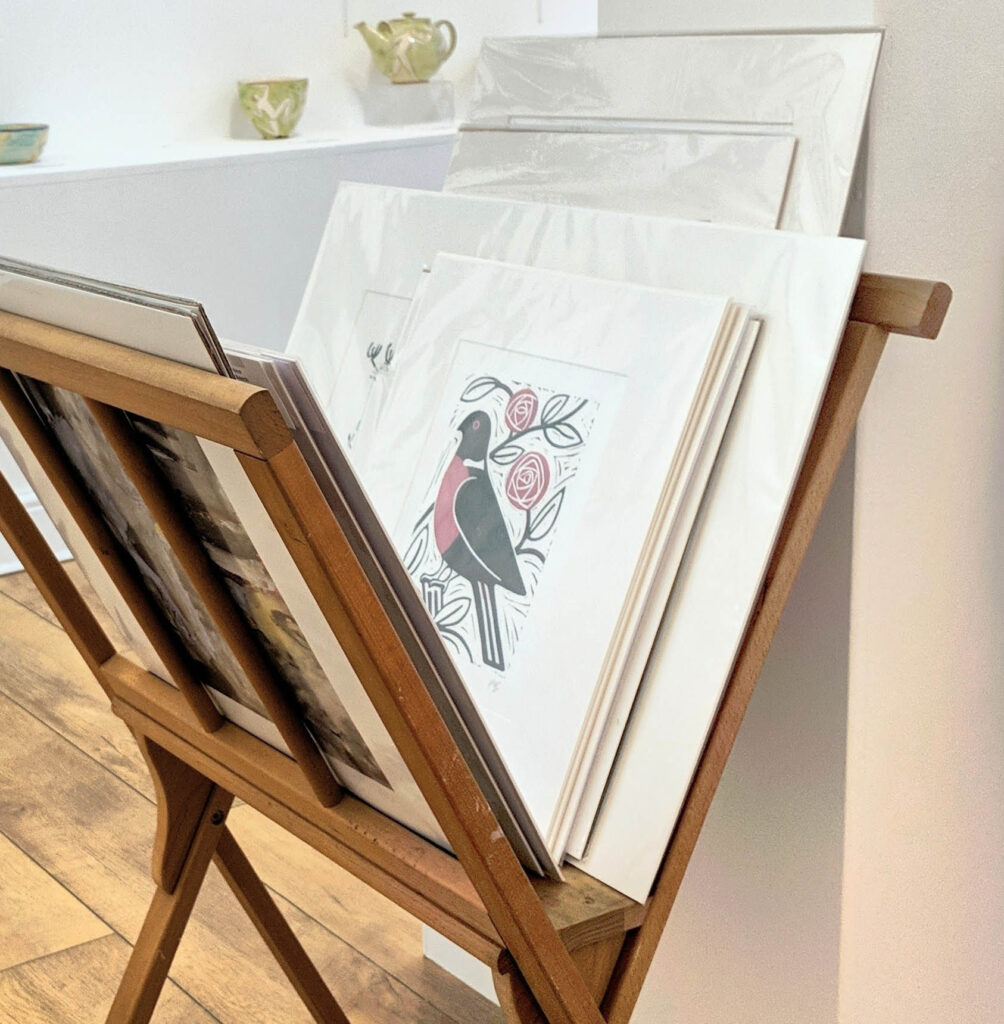
Let’s start with the artist themselves. I think it helps in one way to compare what an artist does to to any other worker who uses their hands; such as a hairdresser or plumber. Like hairdressers and plumbers, artists will often be running their own business, managing those associated costs, and expecting to be paid a fair wage for their time. Many artists will use a formula to make sure they get paid a fairly for their time such as some of those mentioned in this article: https://www.magazine.artconnect.com/resources/how-to-price-your-art. This is not the end of the story however as the art world is large. All artist’s are different and despite loose formulas, such as that mentioned above, there will be differences in how they price their work. The landscape is further skewed when collectors become involved which I’ll explain further on. First, I would like to break it down for you with some easily illustrated examples, and what you can expect from each.
My first example would be the many artists who make work because they love to do so and probably could not stop doing so even if they tried – it is such a pleasurable activity. Their work is like a gift to them, and they sell it at prices that are essentially a gift to the buyer. It is likely that this artist no longer needs a salary so they are happy to charge prices that cover the costs of materials and exhibition fees only. It does not mean their work is less valuable. You are lucky if you know one of these artists and, as well as buying their work, you should probably buy them a coffee to say thank you.
The next example are artists who need to pay themselves a salary – I am in this group myself. In order to pay ourselves fairly, we factor in the cost of the time it takes to make the work in addition to the cost of materials, and exhibition fees and other overheads. The pricing usually makes sense and has a structure. It’s sad when people forget that the item they’re admiring took another human valuable time to make, and will express surprise at the price or attempt to barter. This is hugely frustrating for artists knowing the same people would pay a hairdresser or gardener for their time without question. Too often society treats artists’ time like some mercurial substance; endlessly open to negotiation.
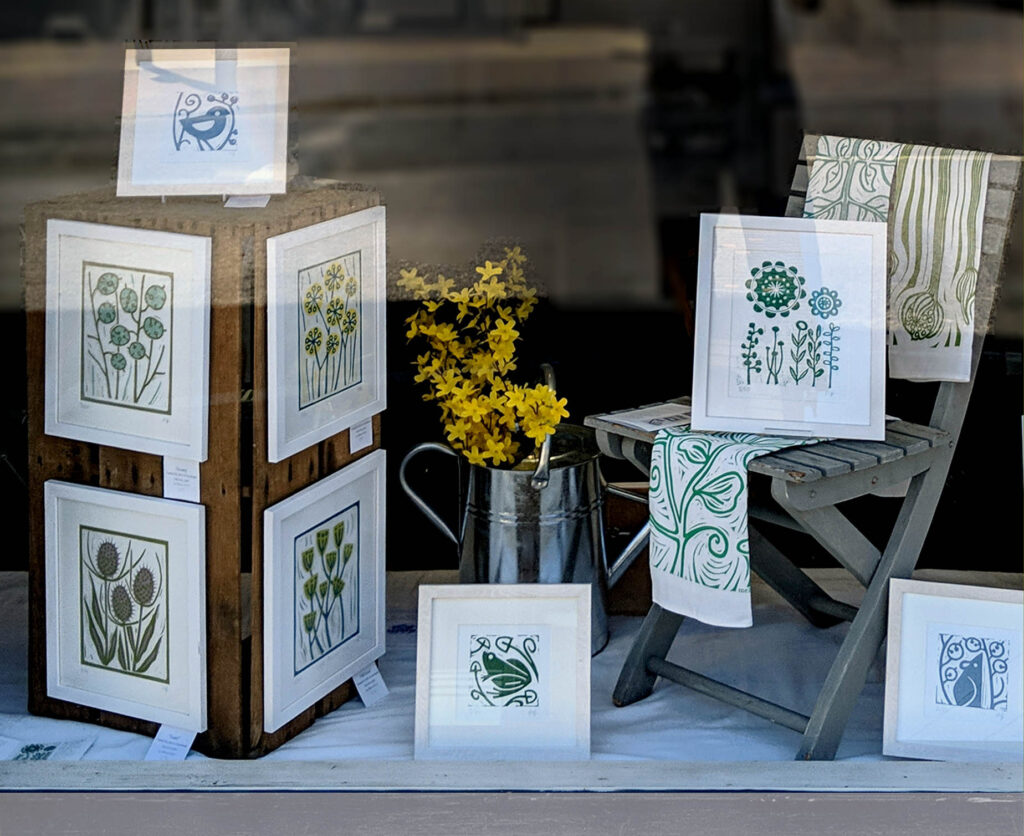
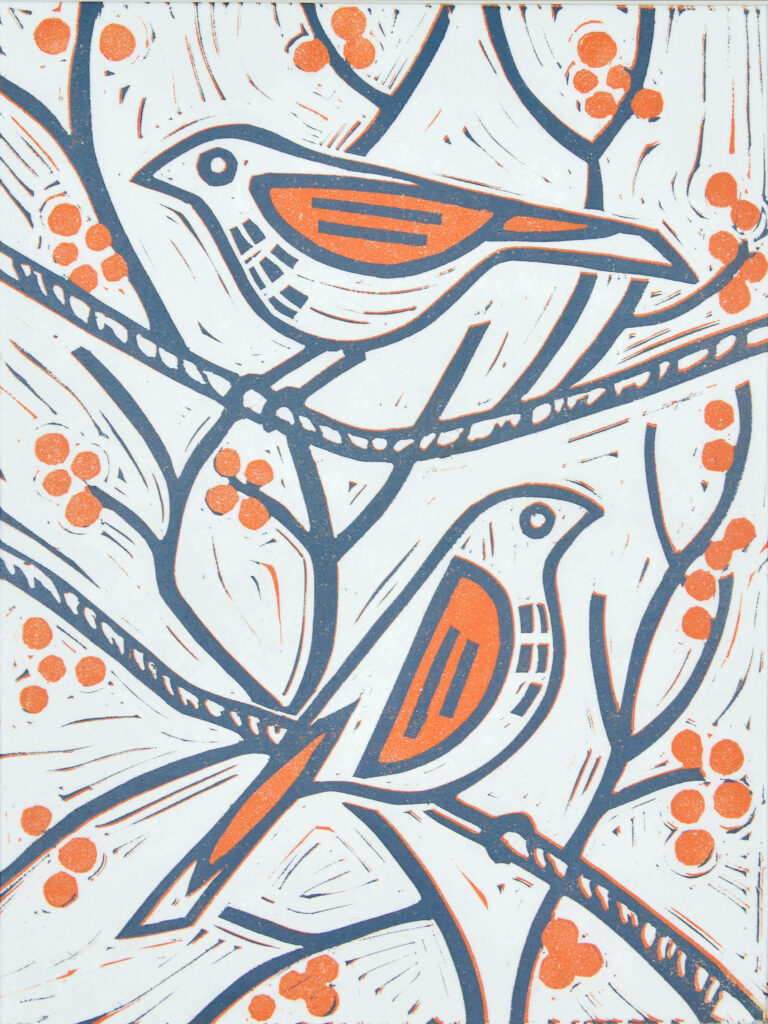
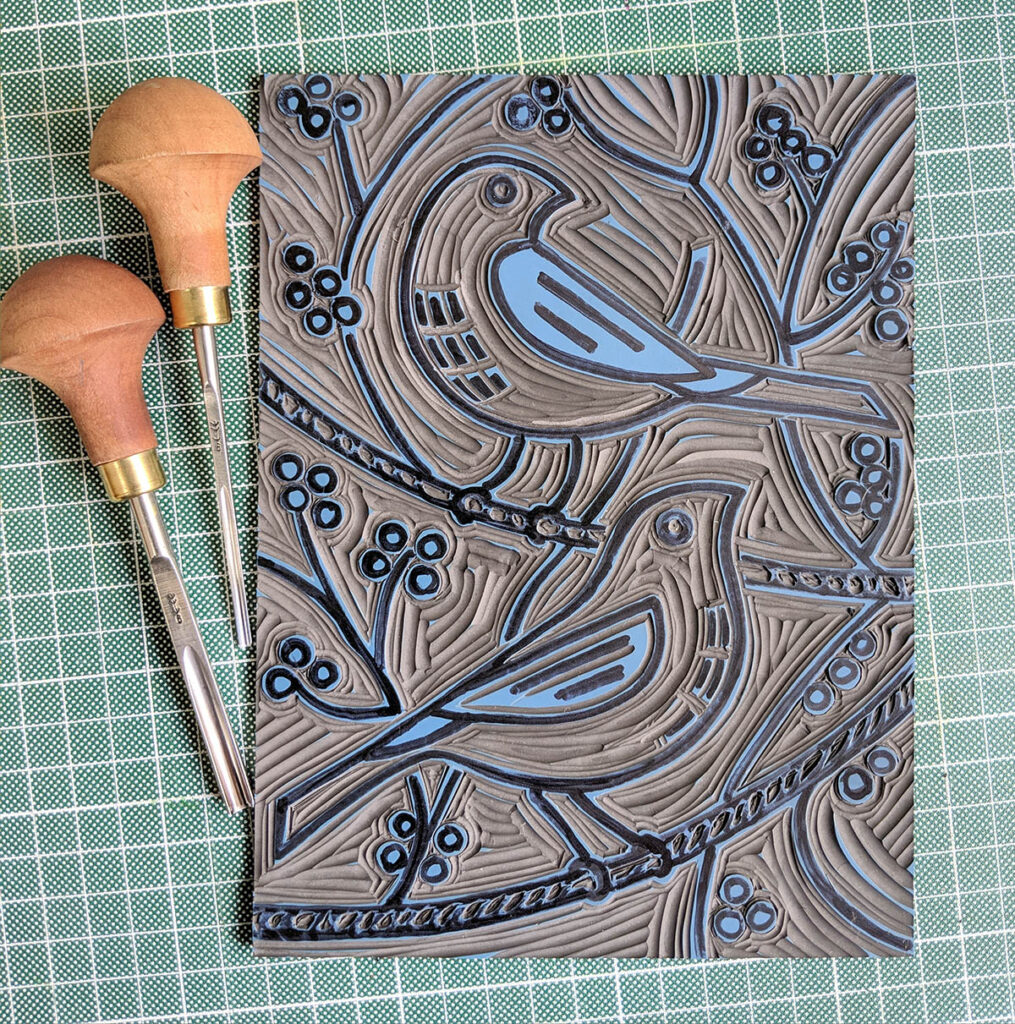
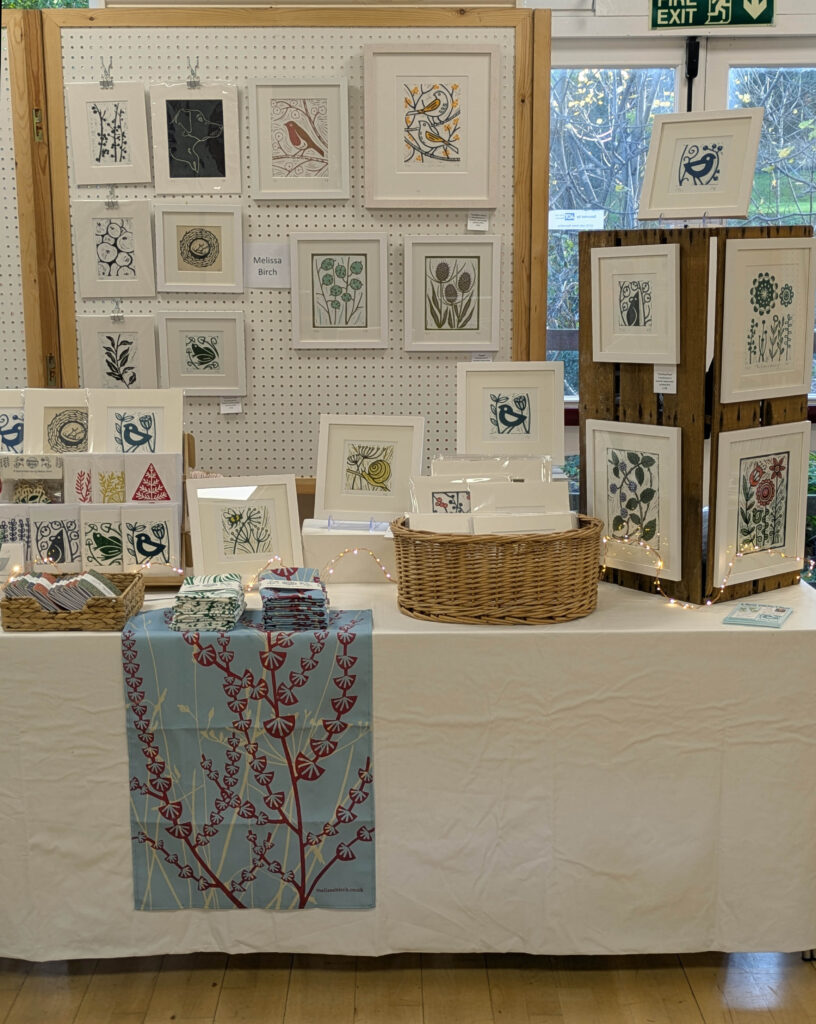
When you consider the fact that the artist is paying themselves for the time it takes to make the work it also helps to make sense of other variations in price; artwork which takes longer to make is more expensive. Larger work will often be more expensive. If you browse the artworks for sale at melissabirch.co.uk you will see that a hand carved lino print measuring 30 x 40cm such as “Dock Flowers and Grasses” is roughly 4 times the price of one measuring 15 x 20cm. Size isn’t always the determining factor; work which is time-consuming, such as a lino print with multiple layers of colour is also, quite often, higher in price.
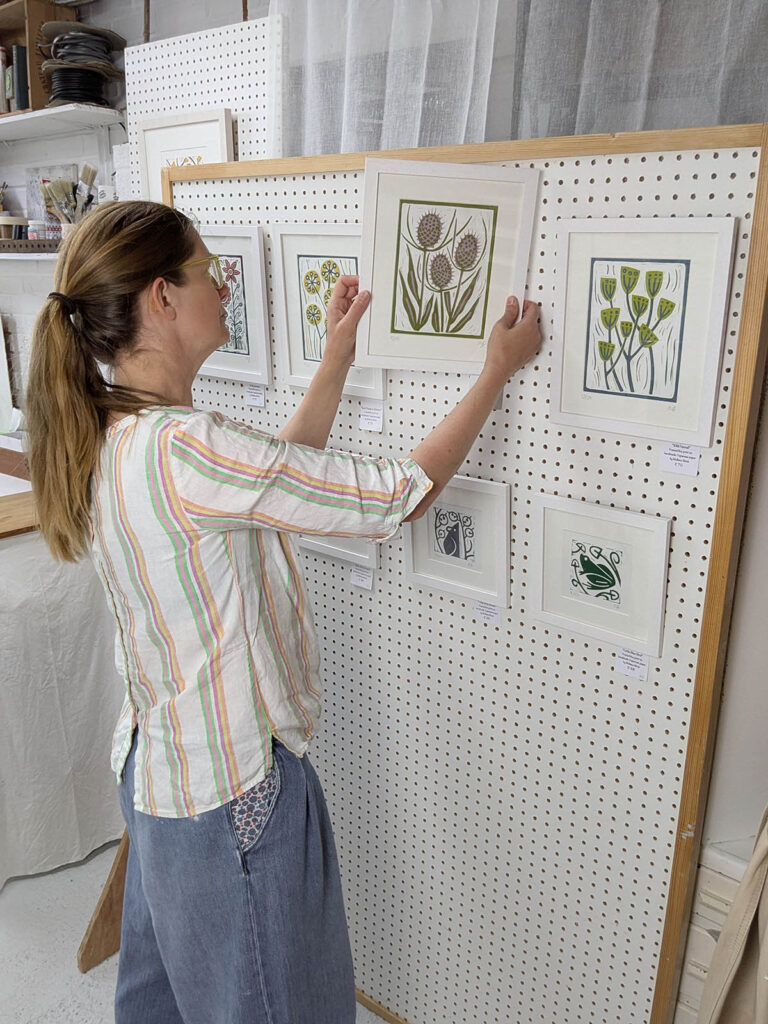
Another reason for variations in price is that some artists will have more running costs than others. Included in the cost of production are variable overheads, such as materials, travel costs, advertising, website hosting and time spent on administration and promotion.
The next factor to consider is that salaries change; artists who have more years of experience making successful work, and are at a strong place in their creative development will pay themselves a higher salary. As in any comparable profession, you rise through the ranks, gaining knowledge, skill and expertise, and your salary (hopefully) rises with you. I would always advise reading the artist’s biography and finding out how many years experience they have, to assess whether the work is reasonably priced.
So far this payment structure makes good sense, but there are just two more quirks about the art world that I would like to mention which skew the landscape and are possible causes of mistrust and confusion among buyers.
Firstly, there are artists whose work has become collectable. The inflated value of their work renders everything I have so far explained pretty irrelevant. The price is determined not by the artist themselves, but by how much collectors are willing to pay for it. It no longer has a meaningful connection to the artwork and is less easily explained by factors such as how long the artist spent making it. Thankfully not many of us are in a position to have to worry about these kinds of prices!
Secondly, there are artists who are simply not interested in selling their work at all. They may be pursuing art as an intellectual exercise only, are receiving funding from elsewhere, or just dislike the business of buying and selling. Their prices could be high and it doesn’t mean their work is better. Equally they could give their work away for free, or stash it under the bed, and that does not mean the work is worth less.
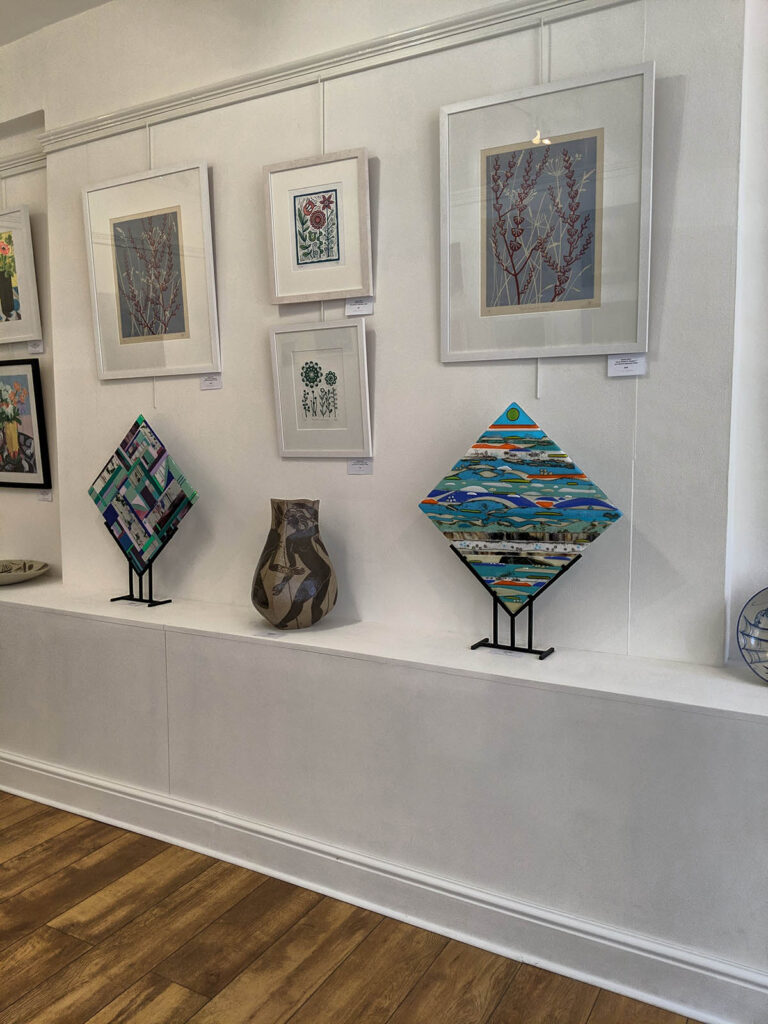
These last two examples raise interesting questions about the nature of “value” but don’t necessarily help us to understand pricing. However if you are buying from an independent artist-run gallery, or directly from the artist themselves, you are unlikely to meet with these situations.
I hope this blog throws some light on the ups and downs of pricing art, and in some way reassures you that the price of a piece of work is not a random figure plucked from the air and that the business of making art is an honourable businesses just like any other. If you have any questions feel free to email me. And if you are buying affordable art from an artist or an independent gallery, please bear what I’ve said in mind. Take another look at the price, consider the costs involved in making the work, and ask yourself whether the artist is actually paying themselves enough. Because the answer is possibly not.